Why Sebastião Salgado’s Photography Hits Differently
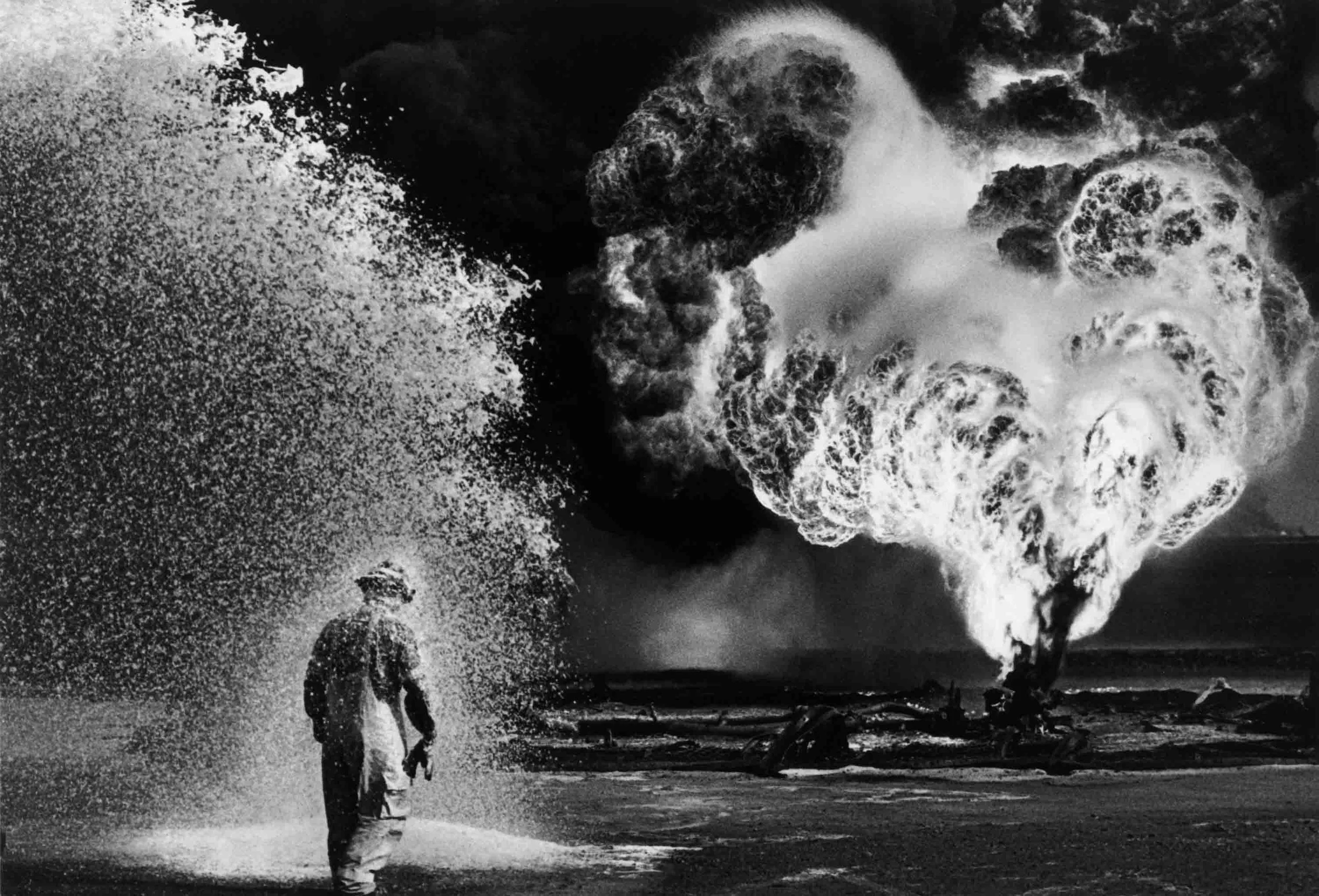
Sebastião Salgado, 'Desert Hell, Kuwait, 1991'
So, the very first time I came across Sebastião Salgado’s work, it was this insane photo of a guy standing next to a volcanic eruption. I remember seeing it online and thinking, “Okay… what is this?” It didn’t look like a regular photo at all. There was something done to it—some kind of technique or treatment after it was shot—that made it feel almost sculpted. The tones, the depth, the drama… it just hit different. And that was the moment I fell down the Salgado rabbit hole.
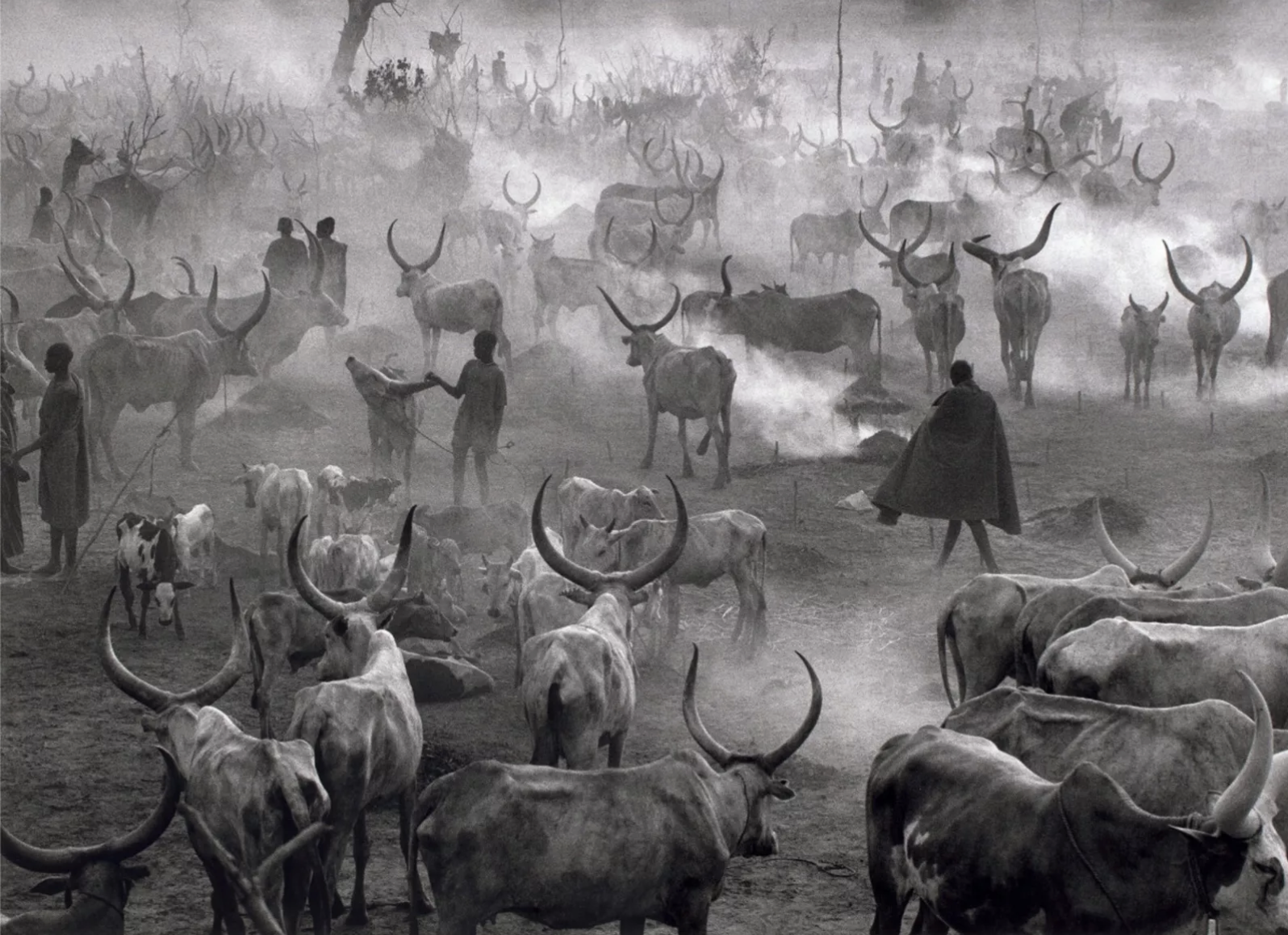
Dinka Cattle Camp of Amak, Southern Sudan, 2006
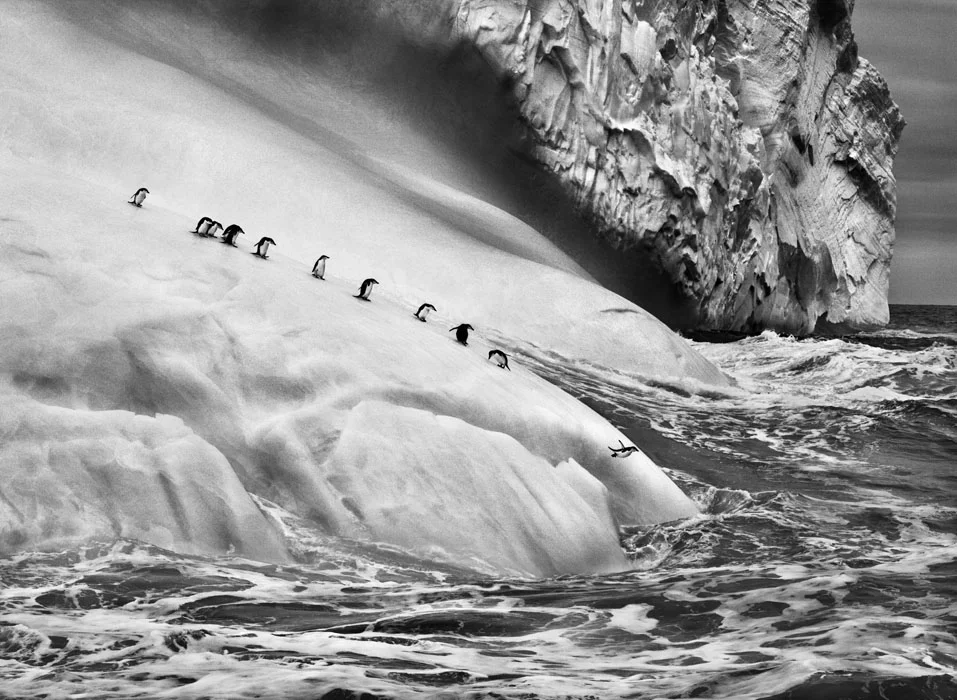
Chinstrap penguins on an iceberg, between Zavodovski and Visokoi islands. South Sandwich Islands, 2009 © Sebastião Salgado
What I love about him is that he doesn’t just take pictures—he builds them. You can literally feel the time, the care, the patience behind every frame. And what blows my mind is that he was creating this kind of work at a time when digital photography was still super new. Everyone was kinda confused, kinda experimenting, kinda skeptical. But Salgado? He just kept doing his thing, whether it was on film or transitioning to digital. His style didn’t budge.
And then there’s Genesis. Honestly, this project is wild. It’s basically Salgado traveling to some of the most untouched, remote places on the planet—documenting nature and communities that still live in ways that haven't changed for centuries. But here’s the kicker: the whole project took him almost eight years. From 2004 to 2012. Eight years of pure commitment. And it finally got released in 2013. That’s not a photo series… that’s a full-on life chapter.
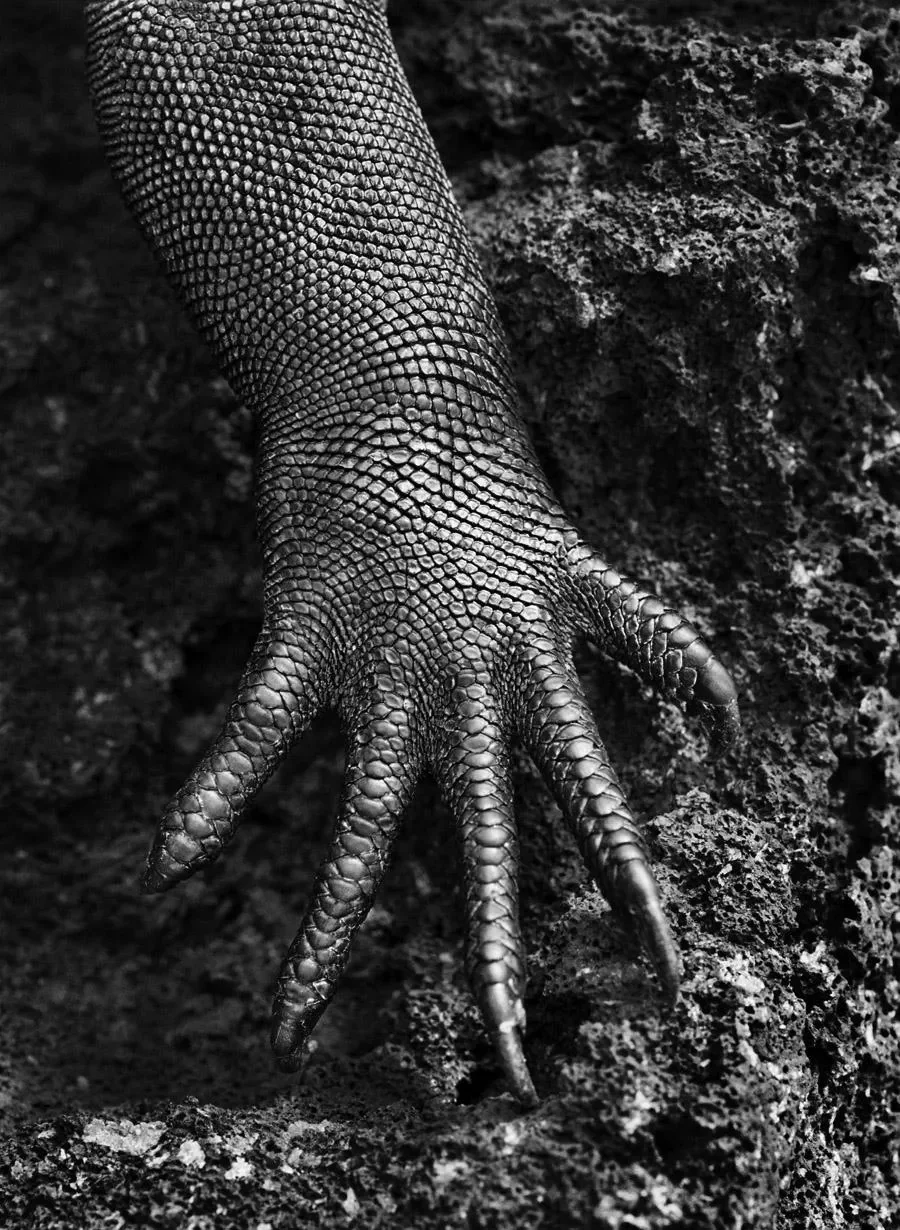
Marine iguana, Galápagos, Ecuador, 2004: ‘resembles a hand in a sequined glove’. Photograph: Sebastião Salgado/ Amazonas
What I take from his work is that creativity doesn’t have to be rushed. His photos remind me that if you care about something, you can sit with it, work on it slowly, and let it grow into what it’s meant to be.