Life as an Assistant Producer coordinating documentaries from London
Balancing storytelling and logistics in international film production.
I joined Special Interest Films in 2023 as a Production Coordinator. Since then, my role has given me a close-up view of how documentaries are built from the ground up often across multiple time zones, with teams spread across different continents, and timelines that constantly overlap.
No two days look the same, but there is a rhythm to the chaos. There are different stages that shape the process, each with its own focus and demands.
→ Understanding the Client Brief
Most projects begin with a client brief. This is where I start shaping the foundation of the documentary.
My first step is always research.
I go through:
The client’s website
YouTube channels
Press articles and interviews
Product launches and company updates
Some clients are large organisations with multiple divisions, so the focus is rarely the entire company. Instead, we identify:
Who the documentary should focus on
What key message must be included
What must not be included
We break this down into:
Primary message
Secondary message
Potential speakers
Filming locations
Tentative dates
At this stage, many details are still fluid. Speakers and exact dates are often confirmed much later in the process.
→ Storyboarding the Narrative
While the production details are still being shaped, I begin working on the narrative structure.
Most documentaries follow a similar storytelling arc:
We often start with a strong opening statement — either a striking fact, an alarming statistic, or a thought-provoking hook that immediately draws attention.
This is followed by a title sequence, introducing the series such as:
Ocean Titans, Health Heroes, or FIP: Pharmacy for All.
From there, the structure typically flows as:
Introduction of the company
A brief overview of the organisation, its foundation, and its identity.Context and legacy
We explore the history and the market landscape — what challenges existed before the company’s product or service.Core focus of the story
This is where we dive into the specific angle of the documentary.Impact and results
We highlight measurable outcomes, benefits to users, and broader industry impact.Future outlook
We close with long-term vision and what lies ahead.
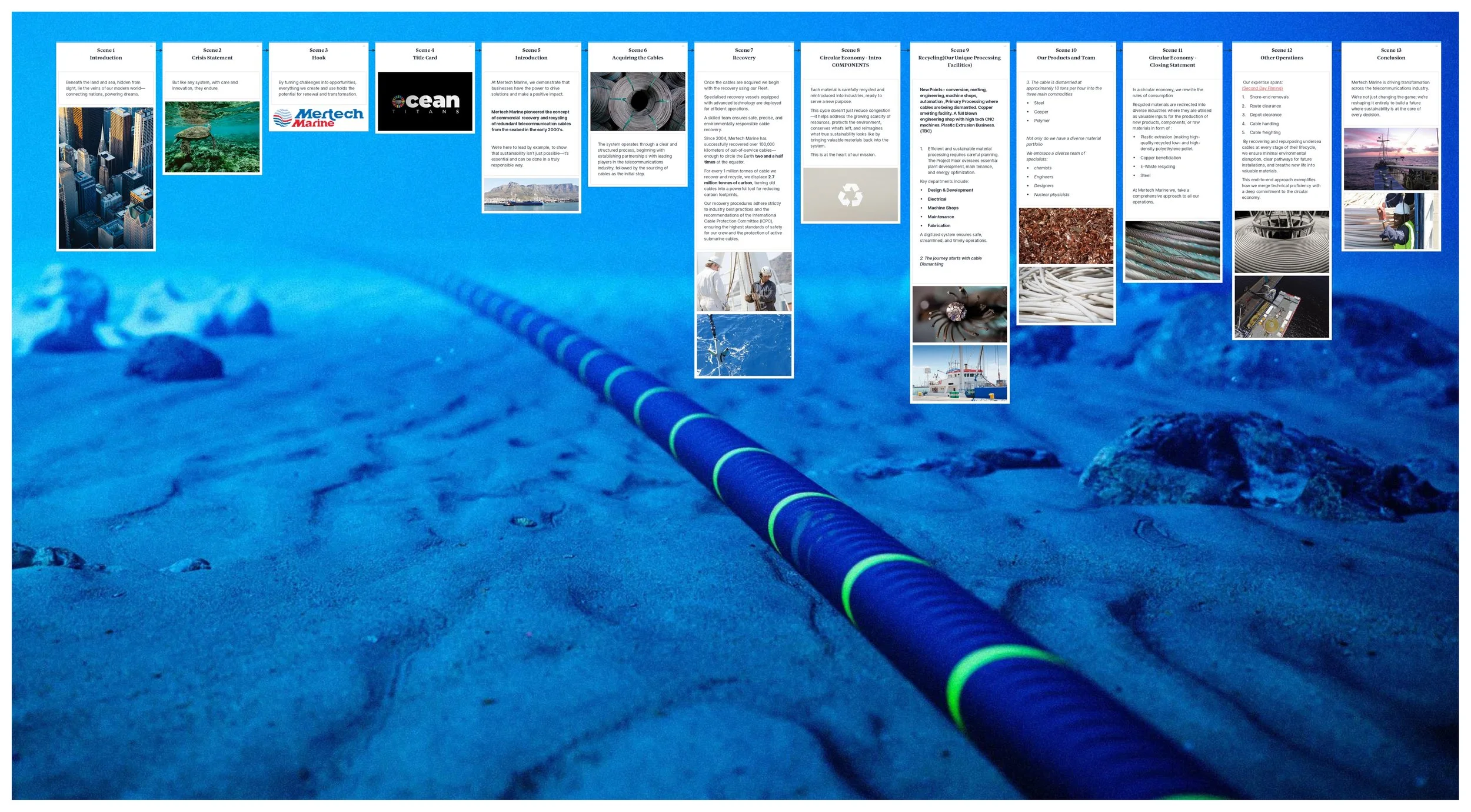
Mertech Marine Corporate Storyboard
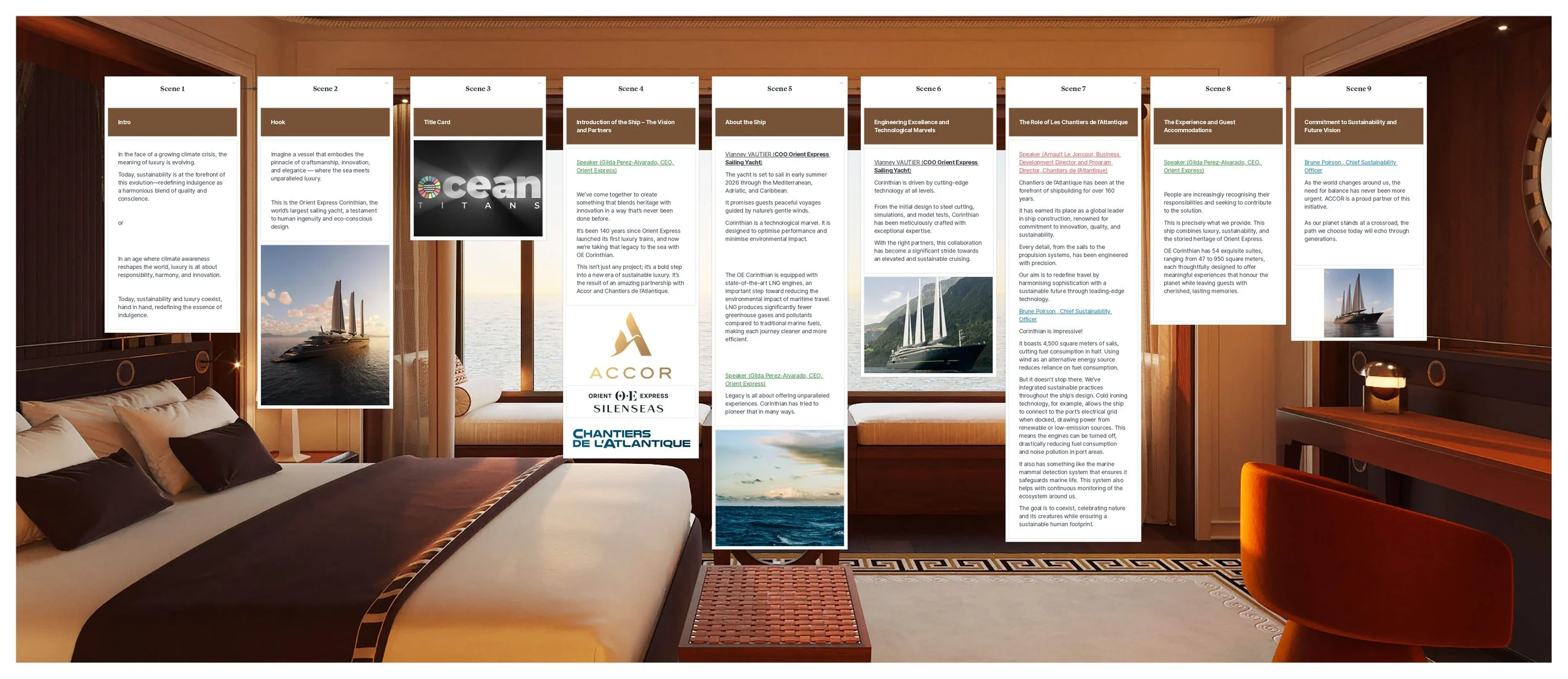
Accor Corporate Storyboard
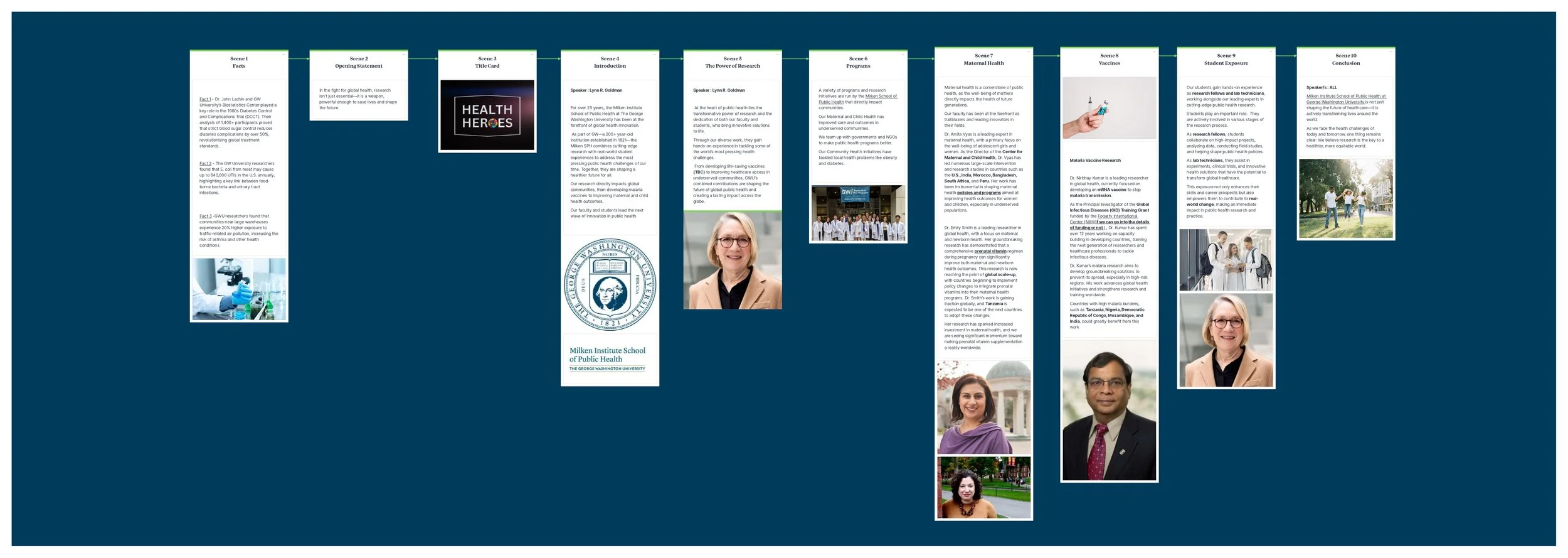
George Washington University Corporate Storyboard
→ Simultaneous Crew Hiring (Across Continents)
While the narrative is being developed, I also begin coordinating the production crew — often without ever being physically present at the shoot.
Around 80% of our filming takes place in the United States, while I am based in London.
To hire crew, I use platforms such as:
Upwork
Mandy
ProductionHUB
Glimmer
Direct Google searches for DPs and local crew
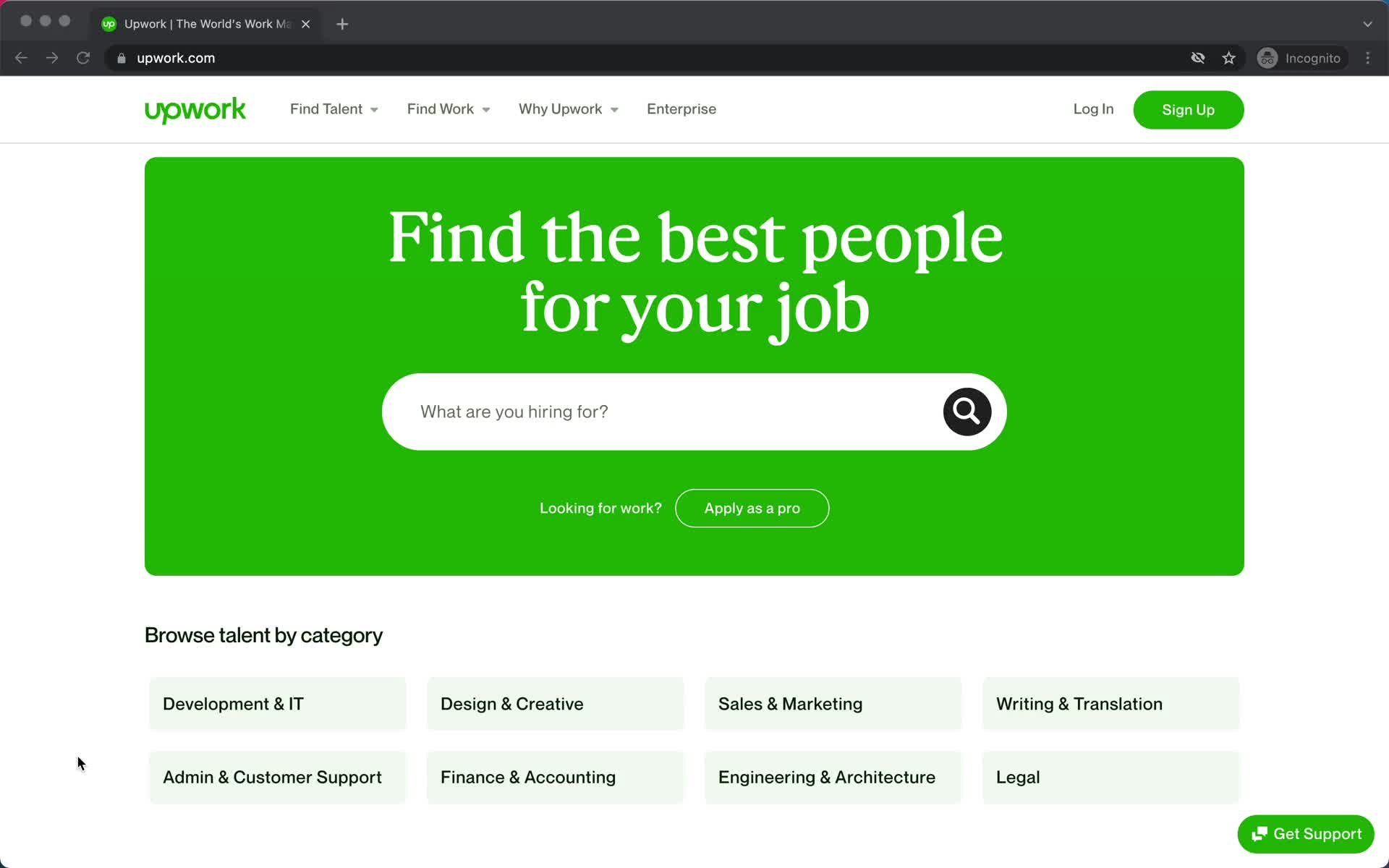
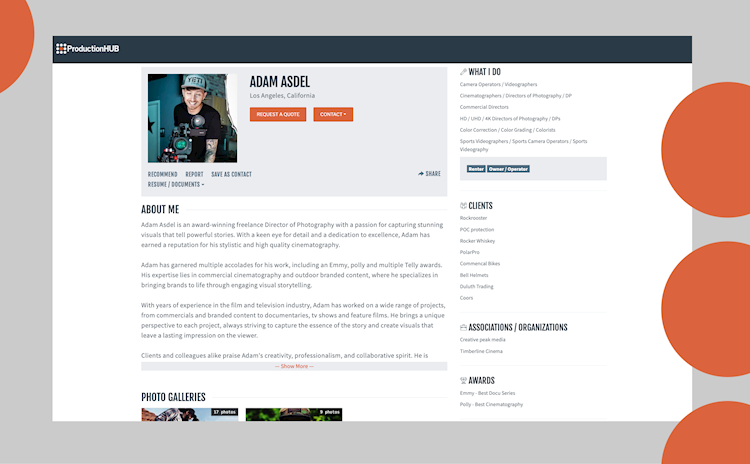
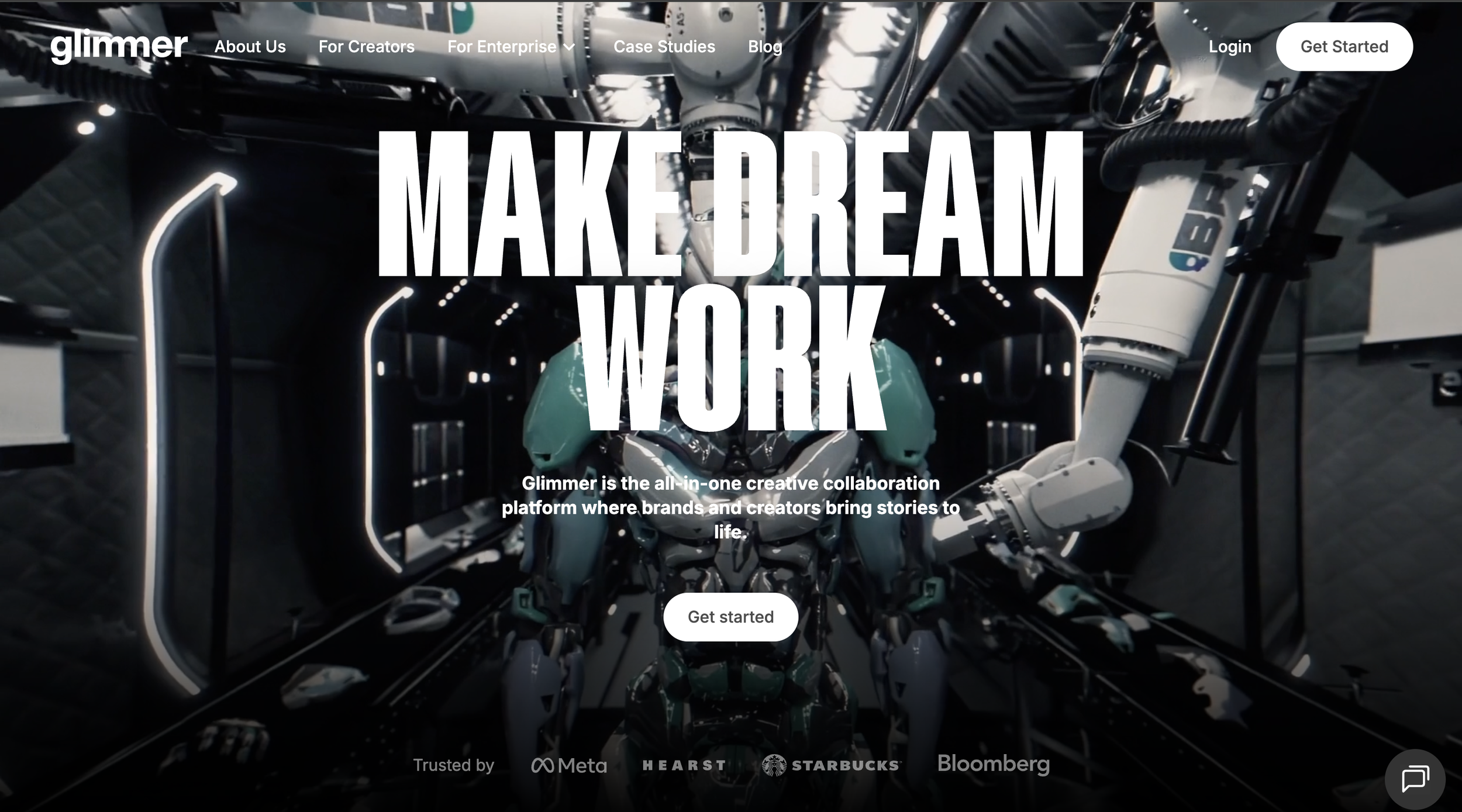

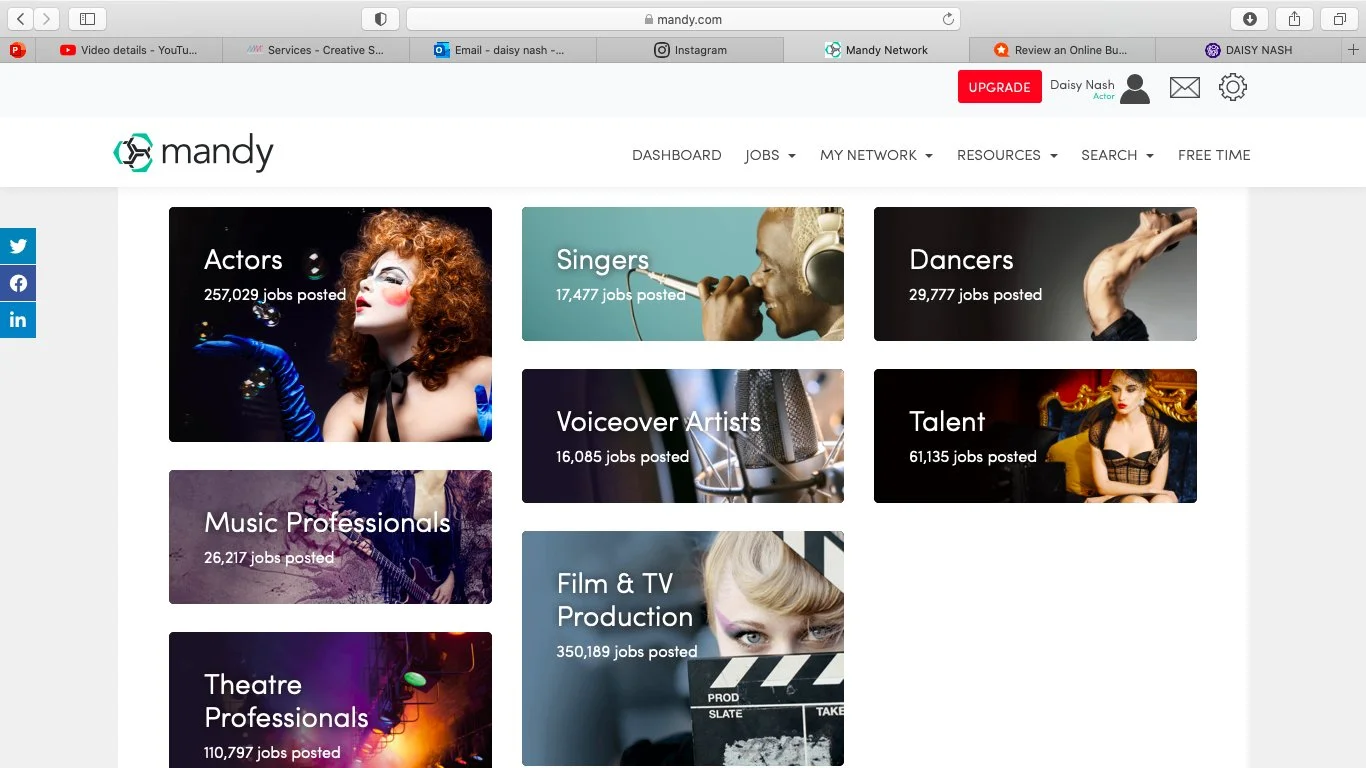
I post job listings based on the filming location (for example, Charleston, South Carolina, USA), and begin reaching out to cinematographers and production teams.
During these conversations, I discuss:
Project overview and opportunity
Filming dates and availability
Crew size and technical requirements
Equipment expectations
Payment structure and logistics
Once a DP or crew is shortlisted, I review their portfolio and budget. If both are aligned, I send across an agreement.
→ Production Documentation Package
After confirmation, I coordinate a full set of production documents, including:
Technical Brief – camera, lighting, and sound requirements
Script – full documentary script
Q&A Document – interview questions adapted for shoot day
Invoicing Brief – payment and billing instructions
Camera Report Template – for logging footage
Call Sheet – schedule, contacts, and emergency details
Filming Notice – on-location compliance document
→ Script Development and Client Feedback Loop
At the same time, the script is refined and shared with the client for feedback.
Once approved, I convert the script into a structured Q&A format for interviews. Each speaker receives their own tailored question set so they can prepare in advance.
We often go through multiple versions:
V1: Initial draft
V2: Final approved version
I also request:
Internal archival footage from clients
High-resolution logos and brand assets
Any pre-existing media that can support the narrative
→ On-Site Preparation (Remote Coordination)
Since I am often not physically present on shoot days, preparation becomes critical.
I ensure:
Dress code guidelines are shared with speakers
Appearance release forms (ARFs) are signed
Clients provide location images in advance
A typical message includes instructions such as avoiding stripes, polka dots, or pure white clothing, as these can create issues on camera. If necessary, we suggest layering with a blazer.
→ Managing Time Zones and Remote Filming
One of the most challenging parts of the job is working across time zones.
Being based in London means:
Early morning calls for Australia shoots
Late-night coordination for US West Coast productions
Occasionally managing multiple shoots in different countries on the same day
Over time, I’ve learned that reliable local crews are essential when I cannot be on set. Trust and communication become the backbone of execution.
→ Filming Day Responsibilities
On shoot days, I remain actively involved in real time.
I monitor:
Live frame checks from CAM A and CAM B
Shot composition and consistency
Communication between crew and production team
I give approvals as interviews and b-roll are being captured.
→ Post-Filming Workflow
Once filming wraps, the footage is uploaded via Dropbox in a structured format:
Speaker interviews (organised by name)
Cam A
Cam B
B-roll footage
I also request:
Camera reports with clip ranges
Proper folder organisation for editors
A structured format ensures the post-production team can begin editing immediately without delays.
→ Internal Coordination and Editing Handoff
After receiving footage, I update:
Dropbox project folders
ClickUp project boards
Internal documentation systems
Each project is tracked with:
Client brief
Script
Logos
Q&A documents
Contracts
Camera reports
ARFs
Call sheets
I then share a post-production brief with the editing team, summarising everything required for delivery.
It somewhat looks like this :
Project: International Telecommunications Documentary
About the Company
A global telecom organisation providing subsea connectivity, internet infrastructure, and international data services.
Shoot Summary
Day 1 – Jakarta, Indonesia
Interview + b-roll
Multiple senior leadership speakers (Name and Designation)
Crew: Director of Photography + assistant (Name and Role)
Day 2 – Jakarta, Indonesia
B-roll only at secondary office
Notes
V1 and V2 edits only
VO selection pending confirmation
Logos and scripts available in ClickUp
Camera reports attached
Additional internal footage provided by client
→ Managing Multiple Projects
At any given time, I handle multiple productions at different stages — from scripting and crew hiring to filming and post-production.
To stay organised, I maintain:
A physical task list
Colour-coded progress tracking
Structured digital folders for each project
ClickUp boards for cross-team coordination
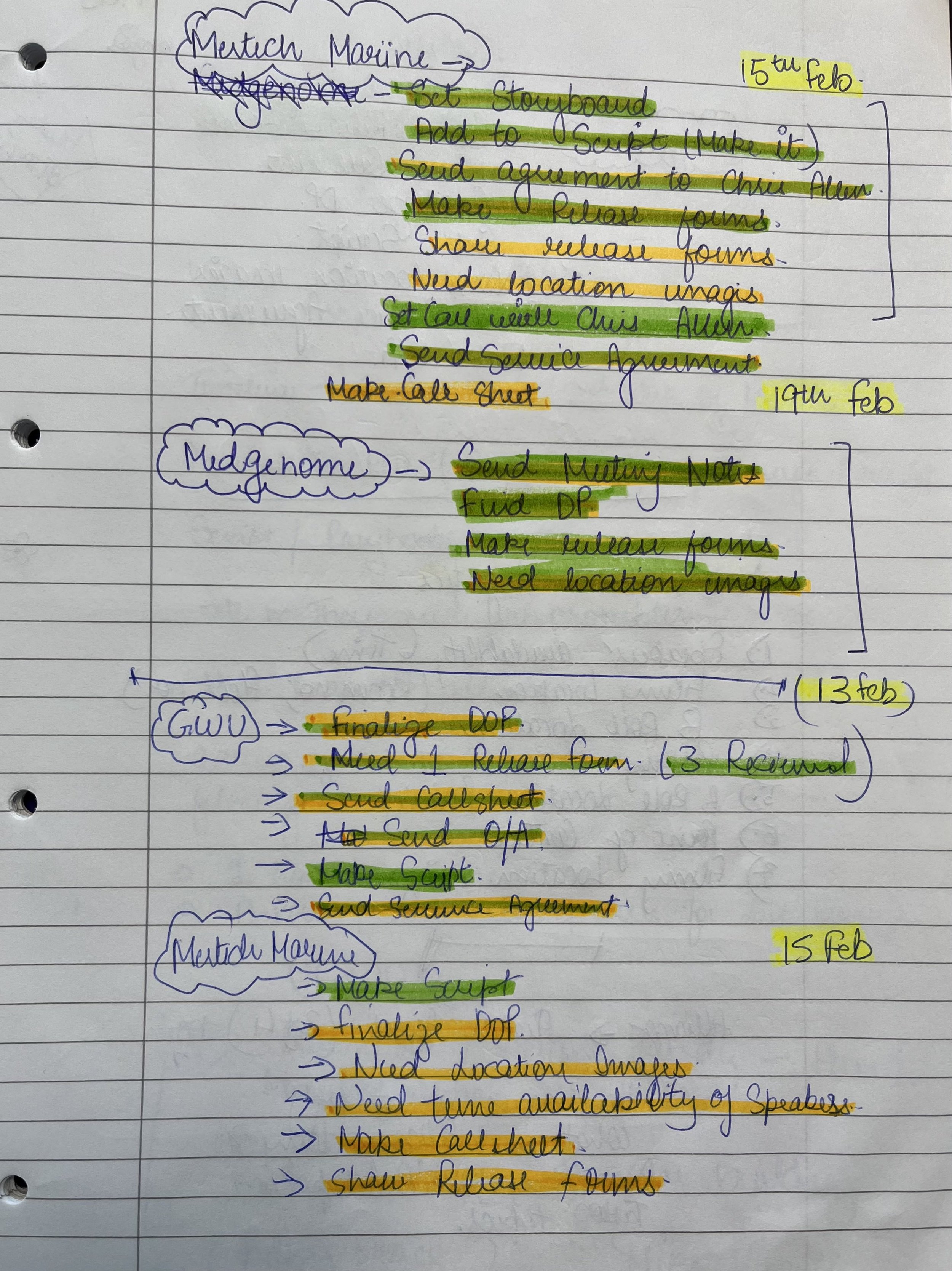
Make it stand out
(green = done, yellow = pending client input, red/orange = not started)
Production coordination is often invisible work but it holds everything together.
It’s a role that requires constant communication, problem solving across time zones, and the ability to turn scattered information into a structured production pipeline.
No two days are ever the same and that is exactly what makes it work.